Cleveland · Akron · the snow belt
Snow removal in Cleveland & Akron, done before you wake up
You pick a trigger depth. We watch the radar all winter and roll the moment it hits — no phone call, no waiting on a callback. Plowing, hand-shoveled walks and calibrated salt on every visit, every visit GPS-logged.
Free and itemized, no obligation — and nothing is charged until your first plow.
One field to start. No account and no sales call — we come back with a real number, usually the same day and within the hour during a storm.
Two very different winters
Pick the side you’re on
The service splits into two rhythms, and one dispatch number covers both worlds all winter.
Residential
Homeowners get driveways, walks, and steps cleared before the morning drive, every storm, without a phone call.
- Driveway plowed, plus the city-plow berm at the apron
- Walks and front steps hand-shoveled
- Routes built backward from the morning commute
- 2″ trigger standard, salt on request
Commercial
Businesses get opening hours they can build around, with 24 industry-specific programs covering everything from warehouses to churches.
- Zero-tolerance and 1″ triggers, finished before you open
- Lots, entrances, sidewalks and return passes during the storm
- Pre-treat ahead of the event, ice-only visits on refreeze mornings
- COI on file, GPS visit log with times and material used
The whole product, in one sentence
You never have to call us when it snows
Most people’s last service made them chase it — call, wait, call again. Ours runs on a number you set in October and then forget about.
Fall property walk
We map your surfaces, your priorities and where the piles go — before the first flake. It gets written down.
You set the trigger
The depth that sends a truck. Change it any time during the season.
We watch, we roll
Crews follow the radar, not a fixed map, so they land where the band actually parked. Multi-day storms run on rotation.
Proof in your inbox
Every visit time-stamped with areas cleared and material used. Homeowners skim it; property managers file it.
Steps 2 and 3 of the quote — property type, then name and number — take about 40 seconds. Nothing is charged until your first plow.
Start step 1Snow and ice management
Everything winter throws at a property
One dispatch number covers all of it, residential and commercial, from a 2″ driveway push to a loader digging a lot out of a three-day burial.
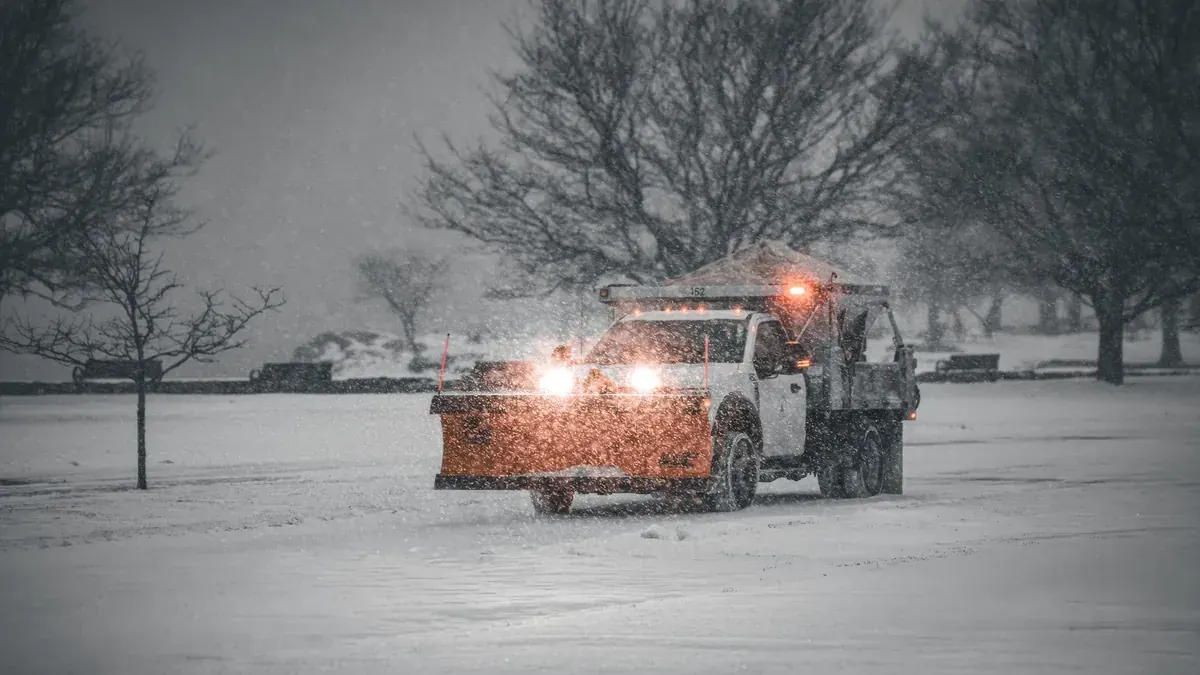
Residential plowing
Driveways, aprons, walks and steps, cleared before the commute.
Residential snow removal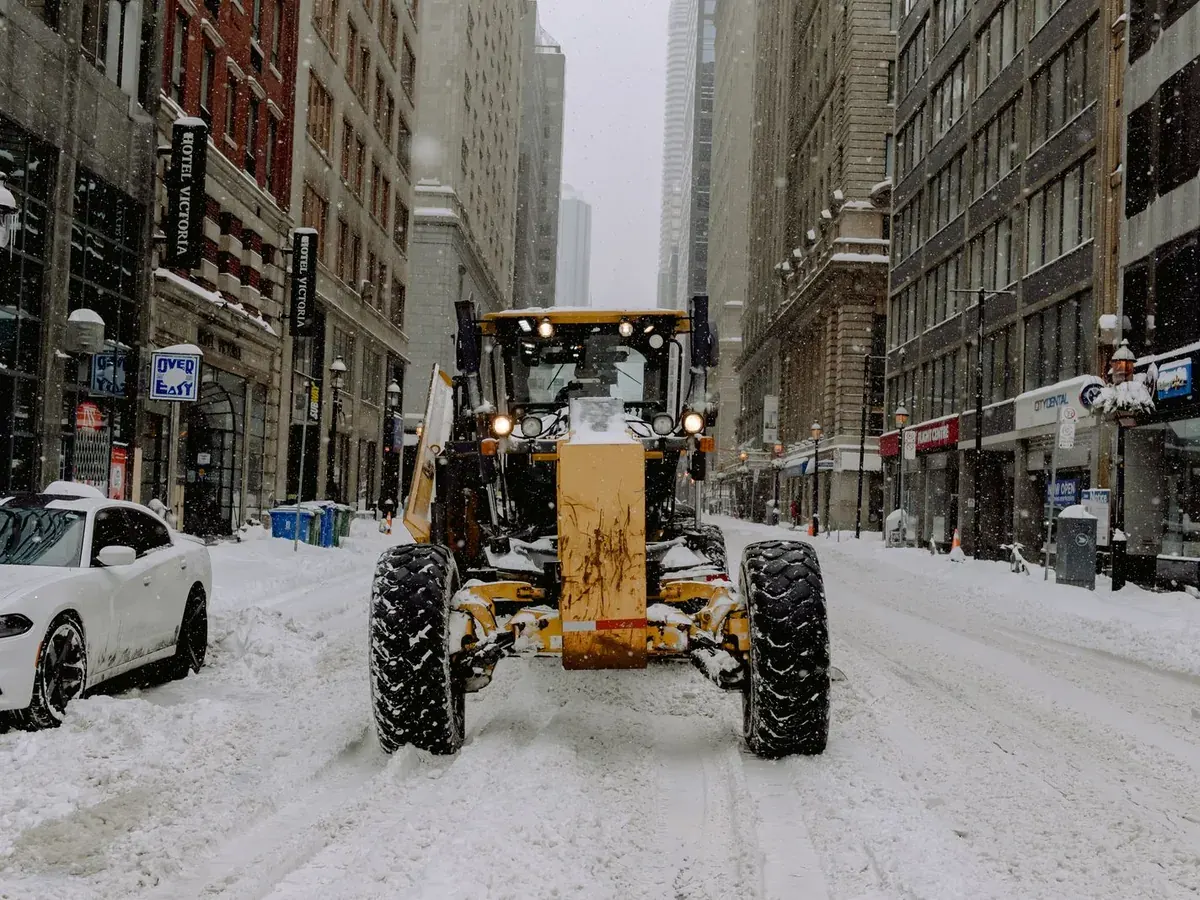
Commercial plowing
Lots, drive lanes and entrances on a zero-tolerance clock.
Commercial snow removal
Salting & ice control
Its own dispatch, triggered by pavement temperature — half of winter’s slip risk falls with no snow at all.
Salting & ice control24/7 emergency & burials
Not a customer and buried? Call anyway. Medical access goes first.
Emergency snow removalSidewalk & walkway crews
Hand crews and blowers on the surfaces people actually walk on — the ones a plow never reaches.
Sidewalk crewsSnow hauling & relocation
When the piles start eating parking spaces and sightlines, we stack, load and haul them off site.
Hauling & relocationReal numbers, not “call for pricing”
What this actually costs
Most people leave a snow site because the price is hidden. Here it isn’t.
Per push
from $45
per visit, residential driveway
Pay only on the storms we come out. Good for a mild winter, a second property, or lighter needs.
- Same routes, same trigger, same crew
- No commitment beyond the visit
Seasonal
from $400
one number, November 1 – April 15, unlimited visits
Seasonal plans fix one number for unlimited visits, which is how most clients budget a winter here.
- A 90″ winter costs the same as a 30″ one
- Rate locked at signing, priority route slot
Commercial
itemized quote
by acreage, hours, trigger and scope
Quoted by acreage, hours, trigger and scope — itemized, with salt metered separately.
- Per-event, per-inch or full-season structures
- COI, W-9 and GPS reporting included
What moves your number: driveway length, walkway footage, trigger depth, slope and turnaround room — and whether you sit in the belt. See the full pricing guide →
Built for lake-effect geography
Your address decides your winter, not your metro
Winter here isn’t a season; it’s an opponent. Lake Erie manufactures snow on demand, dumps it in bands that bury one suburb and skip the next, and follows every thaw with a refreeze that glazes whatever the plows missed.
The east side needs triple what the west side gets, and Akron’s totals swing block by block when the bands wander south. Our routing follows the radar rather than a fixed map, so crews concentrate where the snow actually fell. Multi-day events run on rotation instead of one heroic dig at the end.
The equipment matches the geography too: heavy-duty plow trucks on the routes, front-end loaders with 16-foot box plows for the big lots and burials, calibrated spreaders for ice, and sidewalk crews for the surfaces people actually walk on.
17 counties across Ohio
Find your town
Every county and community page carries its own snowfall history, ZIP list and local pricing notes. Pick yours and you will see what your street actually gets.
Cleveland metro
Cuyahoga CountyLake County SOONGeauga County SOONLorain County SOONMedina County SOONAkron & Canton
Summit County SOONPortage County SOONStark County SOONWayne County SOONAshland County SOONNorth & east
Trumbull County SOONErie County SOONHuron County SOONSandusky County SOONLucas County SOONAlso serving
Franklin County SOONHamilton County SOONNot sure you’re covered?
Put in a ZIP and we will tell you straight, including if the honest answer is no.
Or call 1-866-426-5222 and dispatch will confirm your address in a minute. We cover the suburbs between both cities and the snow-belt communities east of them.
Routes are filling for this season
Sign in October and the first storm is a scheduled event
October signups get the property walk and a priority slot before the first storm tests every crew in the county at once. Don’t wait for the first blizzard.
Before you decide
The six questions everyone asks
Weather questions — how much snow Cleveland gets, what the belt is, the worst storms on record — live on the Learn pages, where they belong.
Ask us at 1-866-426-5222Do I have to call you when it snows?
No. We monitor the weather around the clock and dispatch automatically at your trigger depth. The whole point of a professional service is that you stop thinking about the weather at all.
Will my driveway be done before work?
Yes. Residential routes are built backward from the morning commute, so overnight snow is cleared in the small hours. Walks, steps, and the city plow berm at the apron are included on every visit.
What does the service cost?
Driveway plans land where most households expect, and commercial quotes follow the property's real drivers, itemized. Seasonal contracts fix the number for the whole winter; the pricing guide shows the math instead of "call for pricing" mysteries.
Are you insured and can you prove the work?
Fully insured at commercial-vendor levels, and every visit is GPS-logged with times, areas, and materials. Homeowners get peace of mind; businesses get the documentation that decides slip claims.
Do you handle ice, not just snow?
Yes. Half of winter's slip risk arrives without snowfall, so salting and ice control runs as its own dispatch, triggered by temperature and pavement conditions on the mornings nothing fell.
What if a storm buries us and we're not customers?
Call anyway. Emergency service takes calls from anyone around the clock, with medical access first in the queue and loaders for the burials pickup plows can't touch.
Winter doesn’t wait for a callback
Start with your street. We come back with a real number, and nothing is charged until the first plow drops.
In a hurry? Text a photo of your driveway to 1-866-426-5222 and we will price it the same day.