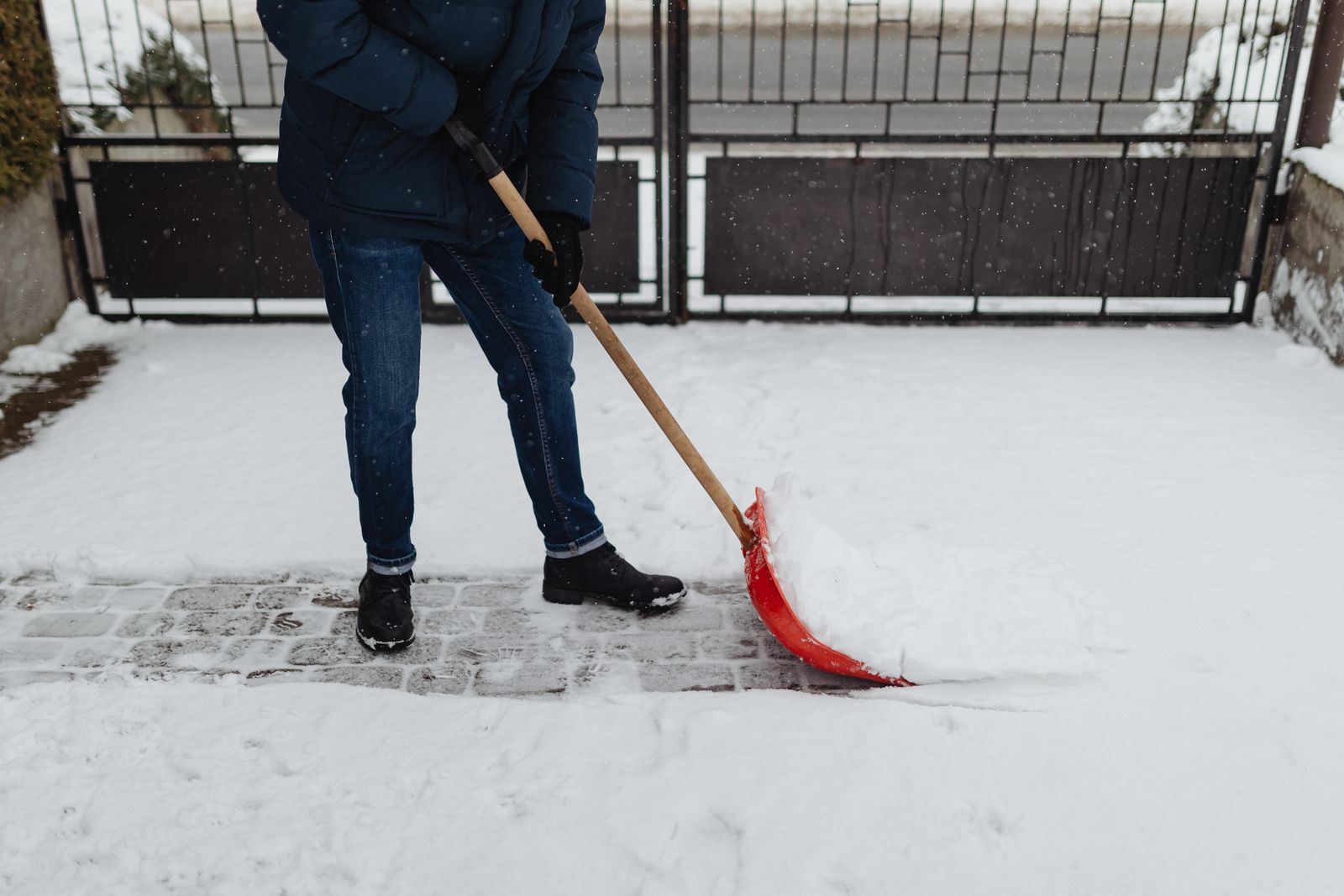
Every winter, snow shoveling sends an estimated 11,000+ Americans to emergency rooms — and cardiac events during heavy snowfalls are well documented. Snow shoveling safety isn’t overcautious fine print; it’s the difference between a cleared driveway and a hospital visit. Here’s what the research and common sense agree on.
Why Shoveling Is Harder on the Heart Than It Feels
Shoveling combines vigorous exertion with cold air, which constricts blood vessels and raises blood pressure. Lifting heavy, wet snow can spike heart strain to levels comparable to intense gym exercise — except most shovelers are unwarmed, bundled, and holding their breath as they heave. That combination is why heart attacks cluster after major snowstorms.
Who Should Not Shovel Heavy Snow
Anyone with a history of heart disease, uncontrolled high blood pressure, or a previous cardiac event; smokers and sedentary adults over roughly 45 taking on the season’s first heavy snowfall; and anyone whose doctor has said “avoid strenuous exertion.” For these groups, a snow blower, a helpful neighbor, or a professional service isn’t a luxury — it’s the medically sensible choice. A seasonal contract costs less than most insurance deductibles.
If You Do Shovel: The Safety Rules
Warm up first — five minutes of movement indoors before grabbing the shovel. Push, don’t lift; when you must lift, take small loads, bend at the knees, and never twist-and-throw over your shoulder (that motion writes chiropractor checks). Pace it: shovel in 15–20 minute stretches with breaks, and clear storms in stages rather than attacking 10″ at once. Stay hydrated and skip a heavy meal, cigarettes, or excess caffeine right before. Stop immediately for chest pain or pressure, pain radiating to the arm or jaw, unusual shortness of breath, or lightheadedness — call 911 rather than “walking it off.” This is a sensitive point worth repeating: those symptoms during exertion are an emergency, full stop.
Slip Prevention Around the Home
Falls injure far more people than heart events. De-ice steps and walkways before refreeze (our ice melt guide covers which products work at which temperatures), wear footwear with real traction, keep hands out of pockets for balance, and assume every dark patch of pavement is black ice. Watch overhead too — icicles and roof slides off warm metal roofs are no joke.
Don’t Forget the Less Obvious Hazards
Snow blower injuries: never clear a clogged chute with your hand — even with the engine off, stored tension in the auger can rotate blades. Use the clearing tool. Carbon monoxide: after deep snow, clear furnace exhaust vents, dryer vents, and your car’s tailpipe before starting it. A snow-blocked exhaust can fill a car or home with CO in minutes. Roof load: most roofs handle typical snowfalls fine, but ice dams and 2+ feet of wet accumulation warrant a professional — roof raking from the ground is the safe DIY limit.
The Easiest Safety Measure
Delegate. If any of the risk factors above describe you or someone in your home, the cost of professional snow removal — typically $350–$900 for a full season — buys cleared pavement and zero 6 a.m. exertion in the cold. Winter is easier when the hardest part is someone else’s job.