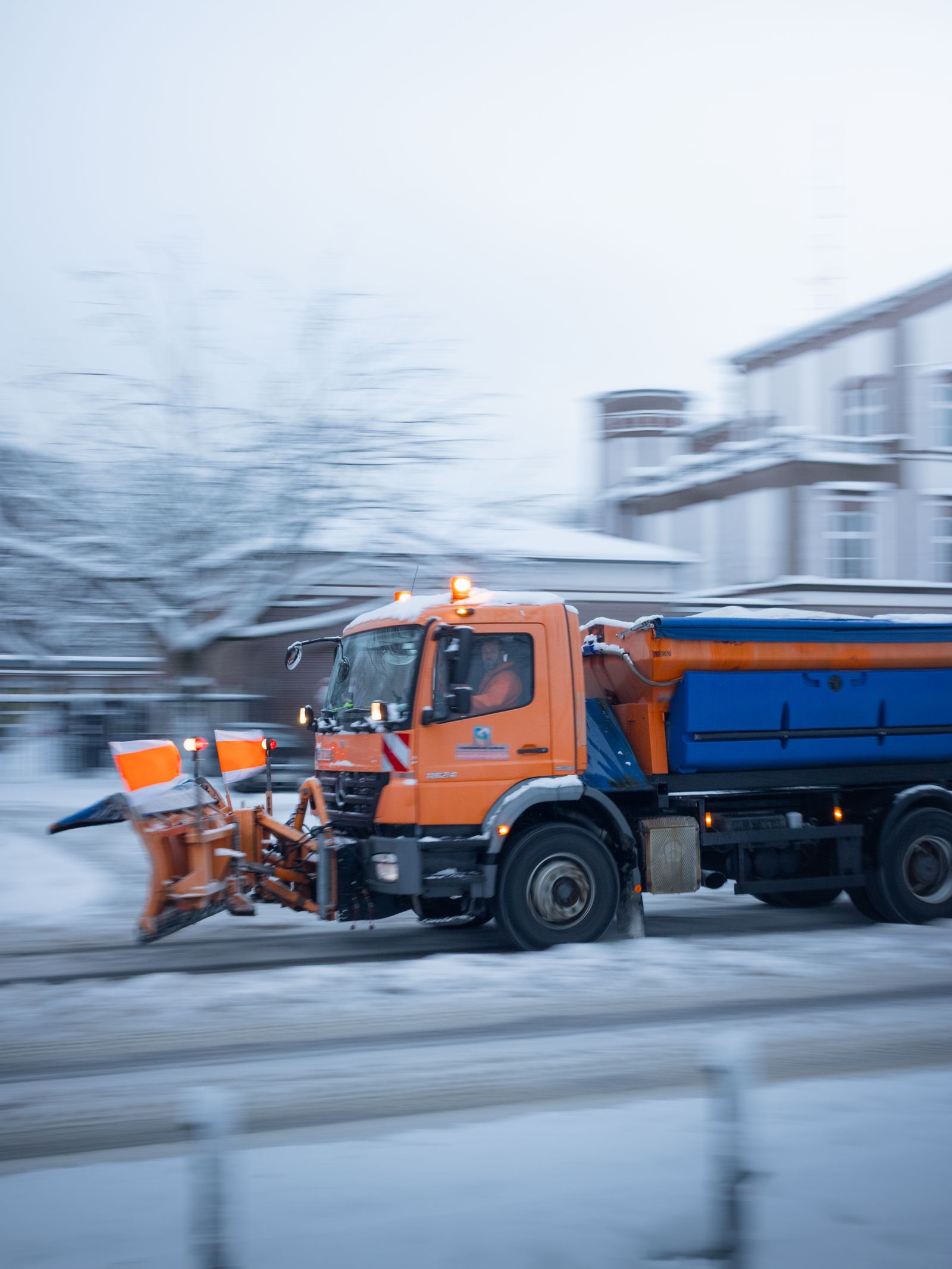
More snow removal businesses die from an uncovered claim than from any mild winter. Snow removal insurance is confusing on purpose — policies exclude things you’d assume are covered — so here’s the plain-English version of what a plowing operation actually needs. (This is general information, not insurance or legal advice; coverage terms vary by carrier and state.)
General Liability: The Foundation
GL covers property damage and bodily injury claims — the clipped garage door, and critically, the slip-and-fall. Commercial clients typically require $1M per occurrence / $2M aggregate; some national property managers demand a $5M umbrella.
The trap: some GL policies carry a snow and ice removal exclusion or a “completed operations” exclusion that guts slip-and-fall coverage — exactly the claim you bought the policy for. Read for these words before binding, and tell your agent explicitly that you plow snow commercially. A cheap policy with an ice exclusion is a decoration.
Commercial Auto: Your Personal Policy Won’t Cut It
Personal auto policies almost universally exclude vehicles used for paid plowing — and carriers deny claims on exactly this basis. Every truck that plows for money needs commercial auto coverage, with the plow itself listed. If you slide into a parked car at 4 a.m. on a personal policy, you’re likely paying out of pocket and losing your insurance.
Workers’ Comp and Sub Coverage
Employees on payroll need workers’ comp in nearly every state — shoveling crews get hurt more often than drivers. Using subcontractors? Collect current certificates of insurance from every sub, every season; if your uninsured sub injures someone, the claim climbs the ladder to you. (Related: classifying workers correctly — covered in our hiring guide.)
Worth Considering Beyond the Big Three
Umbrella policy ($1M–$5M over your GL) — often surprisingly cheap and required for bigger contracts. Inland marine covers plows, spreaders, and blowers themselves against theft and damage. Business interruption if a truck fire mid-January would end your season.
What It Costs
Small residential operations commonly pay $500–$1,500/season for GL; commercial-focused operations with multiple trucks typically run $3,000–$10,000+ annually across GL, auto, and comp. Premiums track your service mix (commercial slip-and-fall exposure costs more), claims history, and documentation practices — carriers increasingly ask whether you keep service logs with GPS and photos, and good records can mean better rates and far better claim outcomes.
Make Insurance a Sales Asset
Here’s the flip side: most fly-by-night competitors can’t produce a certificate of insurance, and every serious property manager asks for one. Being properly insured — and leading with it — wins contracts. Put “licensed and insured, COI on request” on your website and bids; pair it with the credibility marketing in our marketing playbook. And when you’re ready to put that credibility in front of more buyers, our sister company LocalContractorLeads.com generates exclusive leads for insured, professional operations that close on trust rather than price.