Current Conditions: All service areas are currently clear of snow and freezing temperatures.
Snow Removal in Kirtland, Ohio
Professional, reliable snow plowing, salting, and ice control for homes and businesses across the city — from the historic temple district and Route 306 to Chapin Forest, the Farmpark corridor, and every wooded estate road in between.
Kirtland snow removal means clearing the “City of Faith and Beauty” — a community of about 6,900 residents whose rolling hills hold some of the most visited landmarks in Lake County and some of its most demanding winter terrain. Long estate driveways climb wooded ridges, Route 306 carries a steady stream of visitors to the historic temple district, and the whole city sits on snowbelt high ground that catches lake-effect bands hard. Local Snow Removal keeps driveways, parking lots, and sidewalks across the city clear and safe all winter, with equipment staged by zone before each storm and 24/7 dispatch behind it.
Snow Removal in Kirtland, Lake County
Kirtland rises south of Willoughby and Mentor along the East Branch of the Chagrin River, crossed by Routes 306, 6, and 615, with Interstate 90 skirting its northern edge. The Cleveland NWS station averages 63.8 inches of snow a year, and this elevated stretch of the county routinely outperforms that figure once lake-effect season begins — the hills here wring extra snow out of every band that pushes inland. You can read more about the city on Wikipedia or U.S. Census data.
Our operation is built for that geography. We track pavement temperature and forecast bands separately for the Route 306 corridor, the historic district, and the estate roads that climb toward Chapin Forest, pre-positioning plows and de-icing material close to the routes they serve. Dispatch is automatic once snow reaches your contracted trigger depth. The visitor parking at the historic sites, the campus drives at Lakeland’s edge of town, and the long private lanes off Booth and Eagle Roads all get cleared on a plan set before the first flake fell. Whether you own a hilltop drive with a hundred-foot climb or manage a property that welcomes tour buses in January, you get the same disciplined, insured, around-the-clock coverage all season.
Services Available in Kirtland
We offer a complete suite of winter management services designed to keep Kirtland moving.
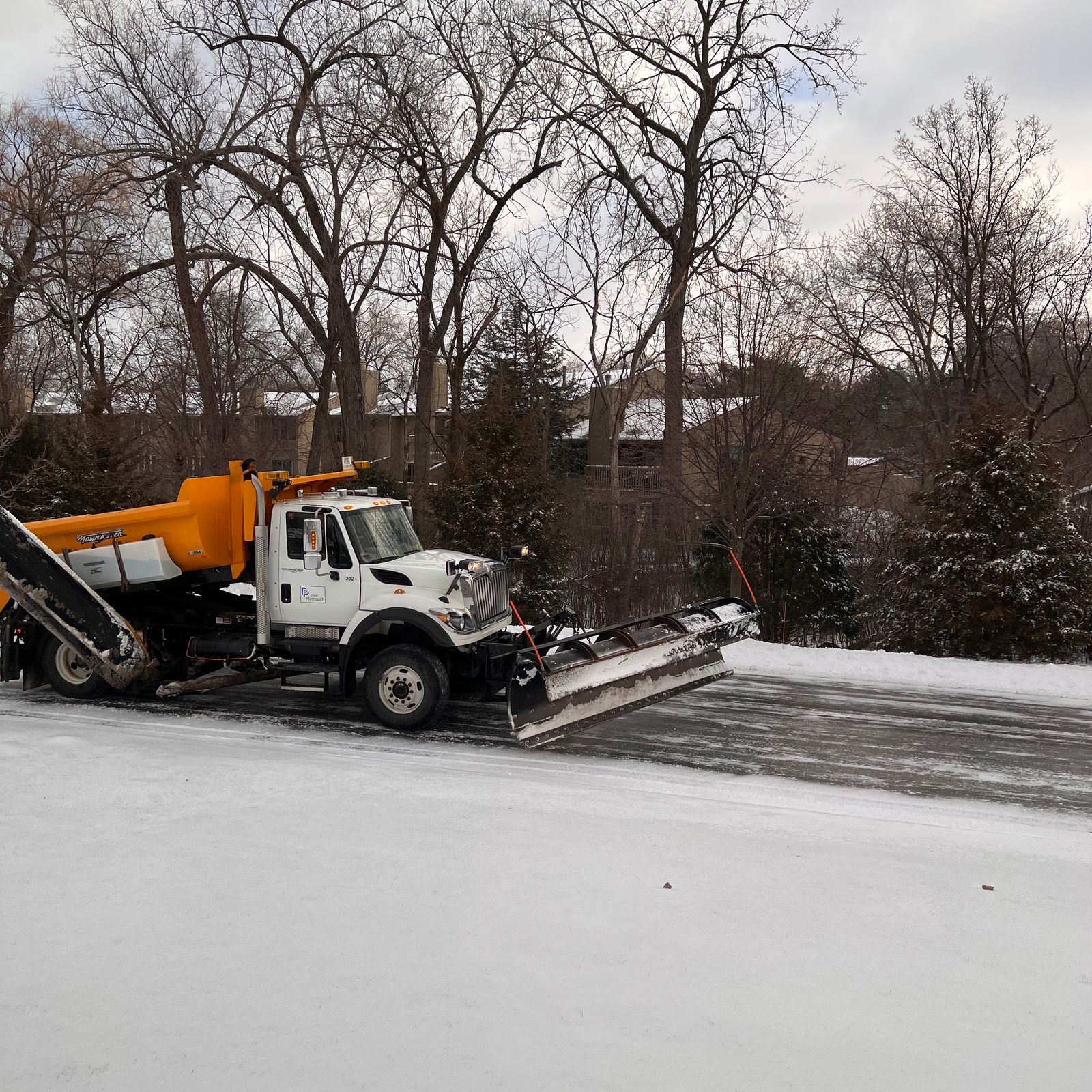
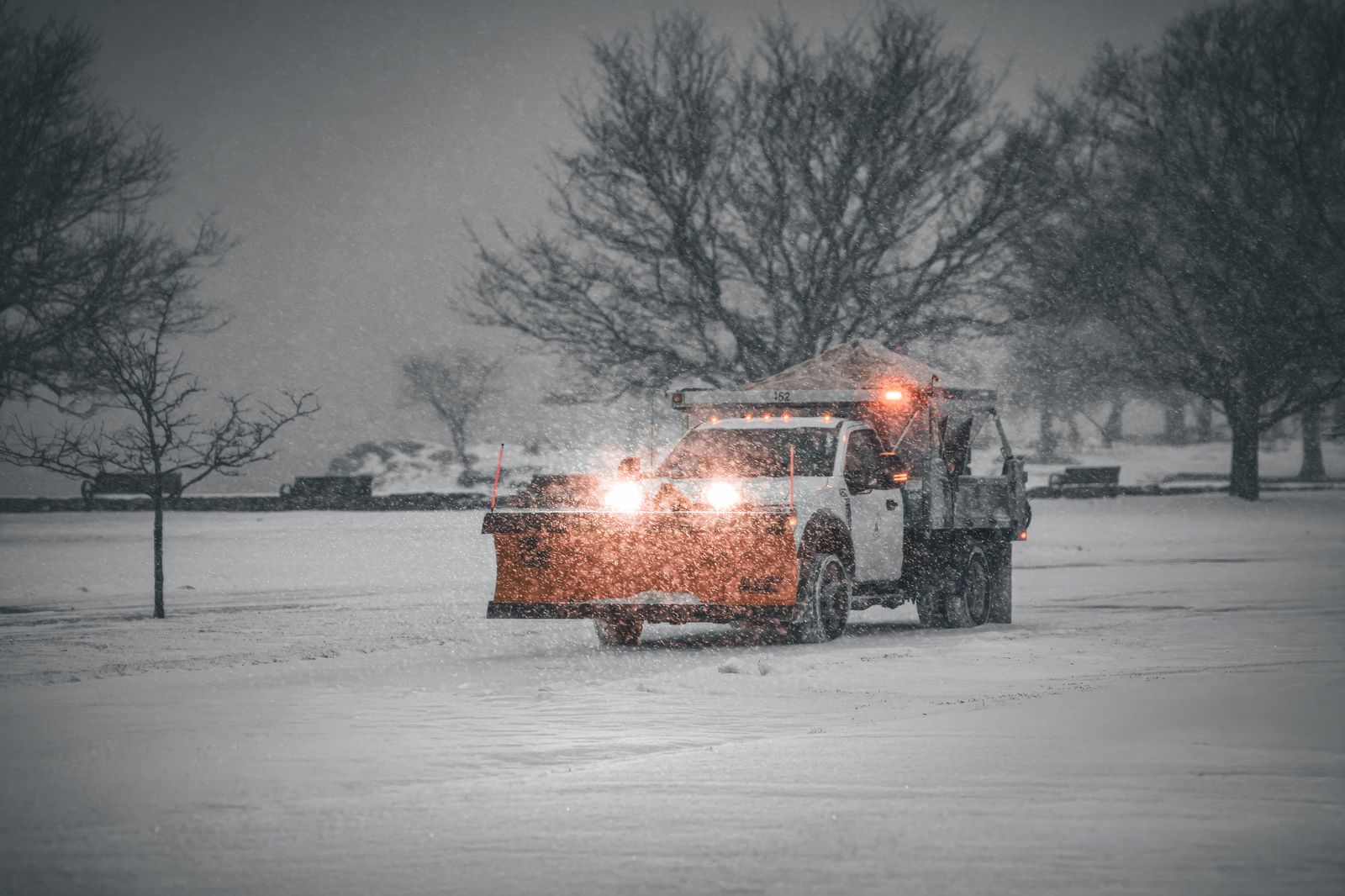
Residential Snow Removal
Driveways and walkways cleared before the morning commute, dispatched automatically at your trigger depth. You never have to call.
Commercial Snow Removal
Zero-tolerance programs for retail, office, medical, and industrial properties citywide.
Salting & Ice Control
Brine pre-treatment and temperature-matched de-icing keep black ice off your pavement through every freeze-thaw cycle.
Emergency Snow Removal
When a heavy band or ice storm hits, our 24/7 emergency crews dig you out.
7 Reliable Reasons to Trust Local Snow Removal in Kirtland
- Pre-staged, rapid response. Equipment is positioned from Route 306 to the ridge roads before the first flake falls, so contracted properties are cleared fast.
- Fully licensed and insured. General liability, commercial auto, and workers’ comp on every job.
- Residential and commercial expertise. From wooded estate driveways to visitor sites, schools, and storefronts along the state routes.
- Proactive ice control. Hilltop exposure plus valley shade means black ice; we pre-treat and de-ice before it forms.
- Transparent, upfront pricing. Flat, agreed-upon rates and clear seasonal contracts — no surprise invoices.
- Local crews who know the terrain. Operators who understand which hills drift shut, where the river valley refreezes, and how the high ground catches extra lake-effect.
- 24/7 emergency dispatch. Someone is always on call, with medical and senior-access sites first.
Those seven principles are why homeowners, property managers, and site stewards across the city renew with us winter after winter. Snow and ice are safety and liability issues first and conveniences second; one slip-and-fall on an icy walk outside a busy visitor site can cost far more than a season of professional service. Our job is to take that risk off your plate entirely, so you can focus on your family or your organization while we handle the pavement.
About Kirtland: History, Attractions & Local Landmarks
The city is home to landmarks our crews work around all winter. Notable spots include the 1836 Kirtland Temple — a National Historic Landmark — the restored Historic Kirtland village, Lake Metroparks Farmpark, the Holden Arboretum, and Chapin Forest Reservation with its famous view of the Cleveland skyline. Click any to open it on Google Maps:
Founded by early settlers in 1811 and famous as the 1830s headquarters of the Latter Day Saint movement, the city draws visitors year-round to its historic district — and winter does not pause the calendar. The Farmpark runs programming straight through the season, the Arboretum and Chapin Forest fill with sledders and cross-country skiers after every storm, and the schools and churches along the state routes need safe pavement every morning. Our crews keep the roads, entrances, and parking areas around the city’s busiest destinations clear through every storm, and the same care carries over to the quiet estate roads where most of our customers live. When lake-effect bands set up over the county, the high ground here is among the first places we watch.
Kirtland by the Numbers: Census & Local Data
Here is a snapshot of the city from the latest U.S. Census and public data:
Those numbers cover the greater ZIP 44094 area that includes the city along with Willoughby, and they shape how we plan winter operations here. Housing in the city itself runs to large lots and long private drives — many sloped, wooded, or both — so residential work here demands more equipment time per property than anywhere on the lakeshore. An older-than-average population means more customers who should not be shoveling heavy lake-effect snow, and more medical-priority addresses on our winter list. Every household, visitor site, school, and storefront needs safe access from the first storm to the last thaw, and matching the right crew to each is exactly what we do.
Popular Kirtland Neighborhoods We Serve
From the historic district along Route 306 to the estate lanes off Booth and Eagle Roads and the homes near the Farmpark, we clear driveways, sidewalks, and lots in every corner of the city. Dense routes matter in this business: the more neighbors who sign with the same crew, the faster everyone gets cleared and the better the pricing works for all of them. Click any neighborhood below to see it on Google Maps:
Kirtland Area Codes & ZIP Codes We Cover
Kirtland is served by area code(s) 440. Our coverage spans every ZIP code in the city. Click any to open it on Google Maps:
If your ZIP code is on this list, you are inside our service area. ZIP 44094 covers the city along with neighboring Willoughby. The ZIP is linked to Google Maps so you can pinpoint your location and see exactly where our routes run. And if you are just over the city line, we cover every neighboring community too.
Kirtland Snowfall: 10-Year History & Monthly Averages
How much snow does Kirtland get? The Cleveland NWS station records about 63.8 inches in an average winter (30-year NOAA normals), and this elevated stretch of Lake County typically sees more once lake-effect bands push inland and climb the hills. The table below shows total measured snowfall at Cleveland for the last ten years, based on NOAA data via Current Results:
| Year | Snowfall |
|---|---|
| 2023 | 23.0″ |
| 2022 | 54.9″ |
| 2021 | 32.4″ |
| 2020 | 49.3″ |
| 2019 | 37.0″ |
| 2018 | 42.5″ |
| 2017 | 44.9″ |
| 2016 | 42.2″ |
| 2015 | 47.0″ |
| 2014 | 84.3″ |
| Month | Avg. Snowfall | Avg. Snow Days |
|---|---|---|
| October | 0.1″ | 0.2 |
| November | 4.5″ | 3.8 |
| December | 12.2″ | 8.4 |
| January | 18.4″ | 13.5 |
| February | 15.1″ | 10.5 |
| March | 10.8″ | 7.2 |
| April | 2.7″ | 2.1 |
Snow typically starts in November, peaks in January and February, and can linger into April, which is why our seasonal contracts cover the full winter window. The ten-year table shows how wildly totals swing from one winter to the next, and the elevation here adds its own lake-effect bonus on top of whatever the official Cleveland gauge records. A mild December is no guarantee against a punishing February, so we build contracts around the whole season and our customers are covered either way.
Local Winter Challenges in Kirtland
The defining challenge here is elevation. Kirtland’s hills catch more snow than the lakeshore, hold it longer in the shade of mature woods, and turn ordinary driveways into grades that a pickup with a worn blade simply cannot climb safely. Our operators run equipment matched to the hills, treat the steep sections before storms rather than after, and know which exposed stretches along the ridge roads drift shut in any wind.
The visitor calendar is the other factor. The historic district, the Farmpark, and the Arboretum draw traffic all winter — often the heaviest right after a scenic snowfall — so parking areas and walkways at the city’s public sites need repeated service through the day, not one pre-dawn pass. That is why plowing alone is never enough here: timed salting and brine pre-treatment matter just as much, scheduled around actual temperature swings rather than a fixed calendar.
How Much Does Snow Removal Cost in Kirtland?
Pricing here depends on property size, service level, and location. Residential driveways generally run about $40–$95 per push, with seasonal contracts commonly $400–$850 for the winter. Commercial pricing is quoted per property after a quick site assessment. Our Pricing Guide explains every contract structure, and a free, no-obligation estimate is the fastest way to a firm number.
Most local homeowners choose between per-push billing, which charges only when it snows, and a flat seasonal contract that fixes your winter cost no matter how many storms arrive — and on snowbelt high ground, the seasonal rate is usually the smarter bet. Long or steep driveways are quoted by their real footprint, so you are never guessing. Commercial and institutional clients, from storefronts along Route 306 to visitor sites and school campuses, typically opt for seasonal or zero-tolerance agreements that keep lots and walkways clear to a defined safety standard at all times. Salting and ice control can be bundled in or billed separately, and every quote is written up front with no hidden charges after a big storm. If you are comparing bids, make sure every quote names the same trigger depth and includes sidewalks, or the cheaper number may simply be buying you less.
Get a Custom Quote for Your Kirtland Property
Free, no-obligation estimate tailored to your property anywhere in the city.
Request PricingNearby Communities We Serve in Lake County
Our Kirtland crews run routes across the hills of western Lake County, so neighboring communities are often cleared on the same pass. Select your area below for local coverage details, or request a quote and we will confirm service to your exact address before the season begins.
Frequently Asked Questions
Do you serve all of Kirtland?
Yes. From the historic district and Route 306 to the estate roads off Booth, Eagle, and Billings, the whole city is inside our coverage. Call and we will confirm service to your exact address.
Can you handle long, steep, or wooded driveways?
Yes — they are the signature property type here. We run equipment suited to grades, set blade heights to protect gravel surfaces, and quote by the driveway’s real footprint so pricing is fair and predictable.
What trigger depth do most local contracts use?
Most residential agreements here dispatch automatically at 2 inches; commercial zero-tolerance programs run at 1 inch or less. You pick the trigger when you sign and never have to call crews out yourself.
Can you service churches and visitor sites?
Yes. We keep parking areas and walkways at institutional and visitor properties clear through business hours, with repeated passes during active snowfall rather than a single early-morning visit.
How much snow does Kirtland actually get?
The official Cleveland gauge averages 63.8 inches, and the hills here typically exceed it once lake-effect bands push inland. Individual winters swing widely, which is why seasonal contracts are popular here.
Do you offer seasonal contracts?
Yes. Seasonal, per-push, and zero-tolerance structures are all available. On the high ground most homeowners prefer the flat seasonal rate for budget certainty; per-push billing is available if you would rather pay per storm.
Is salting included or separate?
Either. Because shaded hill roads refreeze hard, ice control often matters as much as plowing here. Brine pre-treatment and temperature-matched de-icing can be bundled into your contract or billed per application.
Do you plow during overnight lake-effect events?
Yes. Crews run around the clock during active storms, and contracted properties are re-serviced as bands re-load so your driveway is passable by morning no matter when the snow fell.
Are you licensed and insured?
Fully. General liability, commercial auto, and workers’ comp on every job, with certificates available on request.
How fast do you respond during a lake-effect event?
Contracted properties are serviced automatically by trigger depth and re-serviced as bands re-load, so you are cleared repeatedly through a long event rather than once at the end, with medical and senior-access sites first.